2021-07-07
Oliver Kornhoff elected founding director
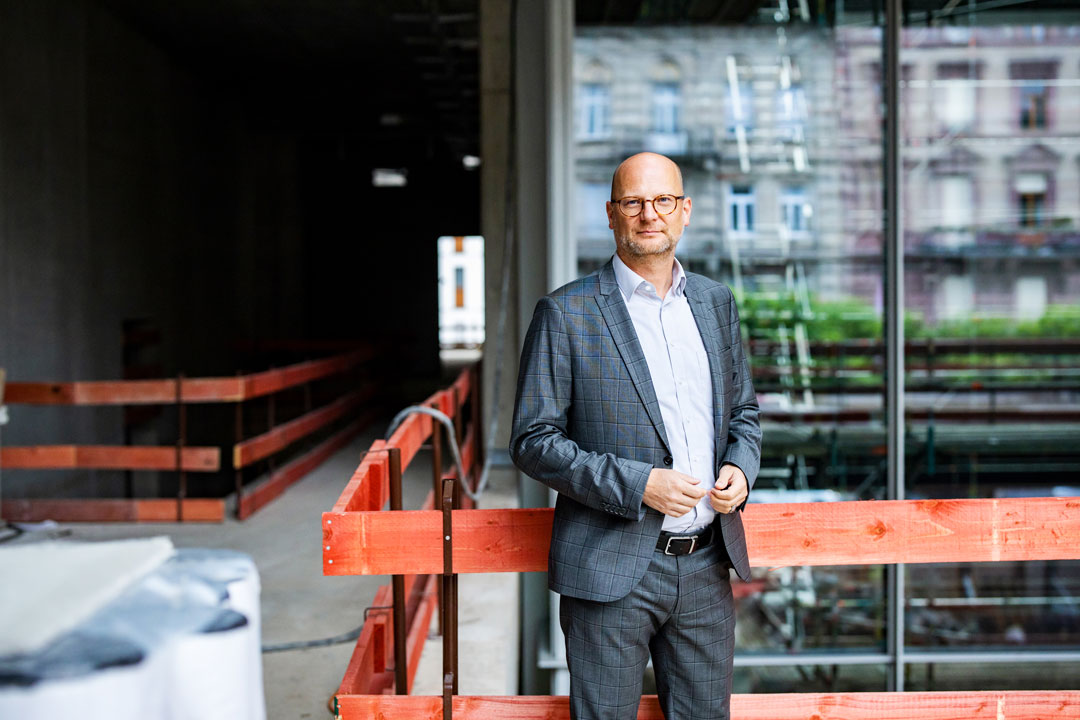
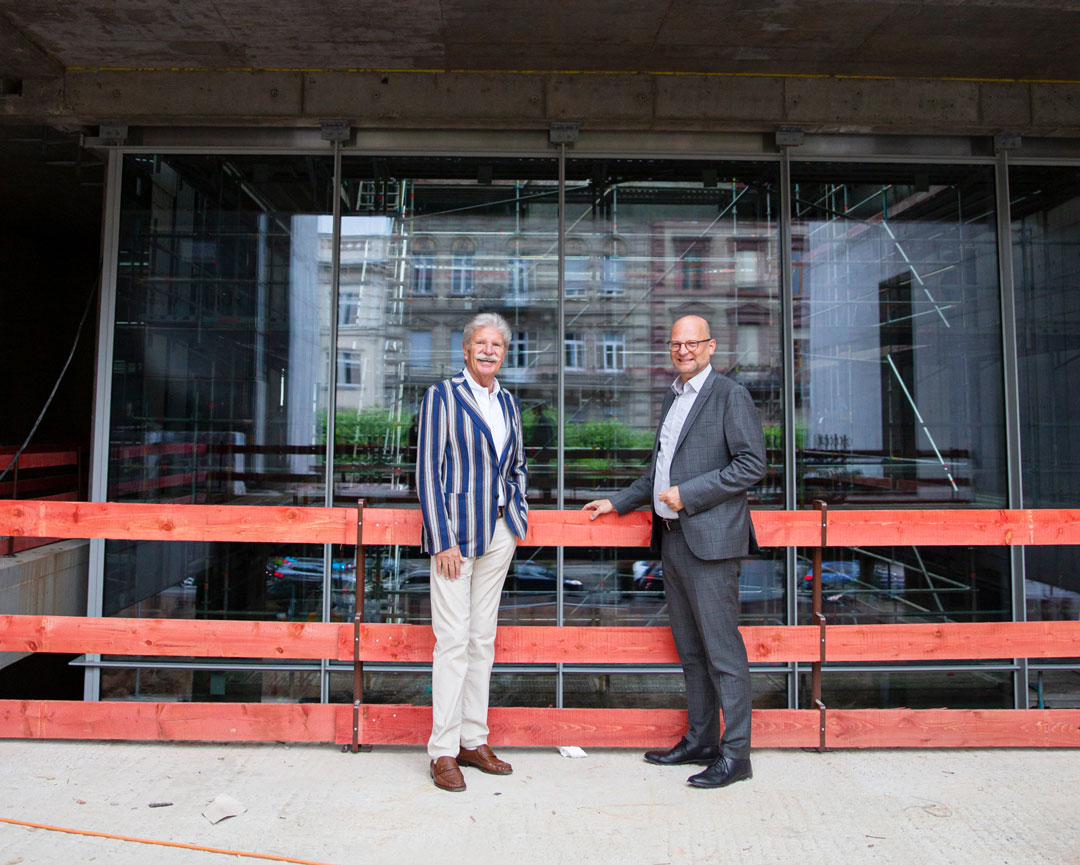
“The Museum Reinhard Ernst is a museum that is a treasure house, a structural work of art and a social meeting place at the same time”, says the newly elected founding director Oliver Kornhoff. We are happy to introduce you to the man who will welcome you as the director of the Museum Reinhard Ernst at Wilhelmstrasse 1 from 1 December 2021.
Oliver Kornhoff, born in 1969, is married and the father of one son. He studied history of art, history, classical archaeology and anthropology in Cologne and Florence and completed his PhD in Freiburg on the sculptures of the Brücke artists Erich Heckel and Ernst Ludwig Kirchner.
The native of Cologne has been the director of the Arp Museum Bahnhof Rolandseck since 2009 and was the artistic director of the Künstlerhaus Schloss Balmoral in Bad Ems from 2013 to 2020. Prior to that, the stages in his career took him to Baden-Baden as a research associate of the State Art Gallery and to Bietigheim-Bissingen as the deputy director of its Municipal Gallery.
What inspired you to apply for the position of director of the Museum Reinhard Ernst?
The combination of civic commitment and a high-quality collection makes the Museum Reinhard Ernst a very special museum and a cultural centre for everyone. I have been very happy to direct the museum of one of the most important couples in their promotion of abstract art for over a decade. In addition to exhibitions on Hans Arp and Sophie Taeuber-Arp, I was responsible for presentations and shows by artists who have pursued the achievements of abstraction and its lines of development until the present day. They also included artists who are included in the collection at the Reinhard Ernst Museum. So there were several points of contact and reasons why the museum advisory board’s request fell on fruitful ground in my case. I was also convinced of the extent to which Sonja and Reinhard live their social responsibility and wish to share their treasures with society. Together we will make the Museum Reinhard Ernst an experience of what a modern museum ideally should be – a superb art venue, a social meeting point and a cultural centre of exchange at the same time.
How significant was the collection for your decision?
It means a lot to me to bring people with me to experience the adventure of abstraction. The Ernst Collection is of spectacular quality and strength in this regard. This is the unmistakable DNA of the Museum Reinhard Ernst. We shall invite you to it in a contemporary style, especially given the traditional museum virtues of an exquisite collection, the aura of the original and its curatorial expertise. A whole bouquet of experiences in art can be created from this collection for our visitors.
How appealing is it for you to be directly involved in a unique museum start-up?
The term museum start-up is well chosen. To help arrange a journey right from the start is a unique opportunity. Museums have often existed for decades or even centuries and their traditions are firmly embedded. Our team, on the other hand, is being set up now and they’re all very motivated. I am convinced that this anticipation of joy will become apparent in what we do and will rub off on our guests as well.
Do you already have a connection with Wiesbaden and this area?
I associate Wiesbaden with many wonderful childhood memories. My grandparents lived in Rüsselsheim. On our regular visits to see them, we often took day excursions to Wiesbaden together. I’m looking forward to getting to know the city again as an adult.
What are you looking forward to?
Apart from my assignment at the Museum Reinhard Ernst, I’m delighted to indulge in my passion for German wines in this region. With the Bergstrasse and Rheingau on our doorstep, I’m sure to get to know the local wines even better very soon.
Could you let us know a few plans you have for the future?
Apart from my own plans, I’m particularly happy that we will be part of Wiesbaden’s cultural mile and have the State Museum as our neighbour. The city’s Jawlensky Prize was awarded deservedly to the artist Frank Stella last year and we both have this in our collections. In 2022, the Stella exhibition at the Wiesbaden Museum will certainly be a resounding neighbourhood festival.
The interior of the Museum Reinhard Ernst is open to the public and an inviting place to take a stroll. Visitors do not have to buy any tickets and can still enjoy the full effect of individual works, such as the Chillida sculpture in the atrium, the light axes and Fumihiko Maki’s architecture. This is our invitation to people from far and wide. We’re happy if they feel at ease with us – almost as if they’re in their own living room. Our privately organised museum will feel like a public venue, which is great. My ideal is when the ultimate national and international artistic quality is within reach. At the Museum Reinhard Ernst, we shall be able to experience this new form of museum aura.